Synthetic cannabinoids (Spice)
Synthetic cannabinoids (SCs), also known as synthetic marijuana, K2, Spice, or neocannabinoids, are lab-created chemicals designed to mimic the effects of delta-9-tetrahydrocannabinol (THC), the primary psychoactive compound in natural cannabis. Synthetic cannabis is another name for a group of substances called “synthetic cannabinoids.”
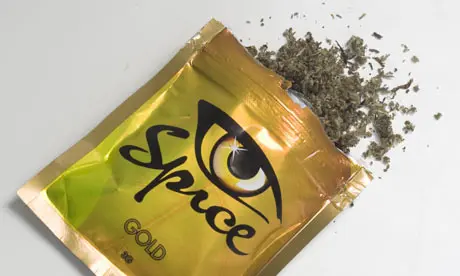
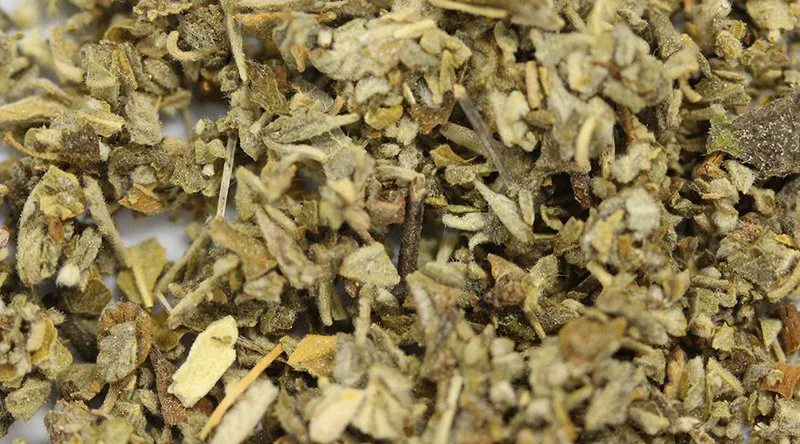
These substances are typically sprayed onto dried plant material and smoked or vaporized. Unlike natural marijuana, synthetic cannabinoids are created in laboratories and can vary widely in composition and potency.
SCs are not the same as hemp-derived cannabinoids (e.g., delta-8 THC or HHC), which occur naturally in low amounts in cannabis plants but can be chemically synthesized or extracted. Recent regulatory efforts distinguish between natural and fully synthetic versions due to safety concerns.
How Do They Work?
Unlike plant-derived cannabinoids like THC or CBD, SCs are fully artificial and bind to the same cannabinoid receptors (CB1 and CB2) in the brain and body, often with much higher potency—sometimes up to 100 times stronger than THC.
SCs act as agonists at CB1 receptors (primarily in the brain, responsible for the “high”) and CB2 receptors (in the immune system). They can bind 100 times more strongly than THC, leading to intensified and unpredictable effects.
Some SCs also interact with non-cannabinoid targets, like GPR55 receptors in the cardiovascular system, potentially causing additional harm. Families of SCs include JWH-series (named after chemist John W. Huffman), AM-series, and newer indazole-based compounds like AB-PINACA.
| Aspect | Natural Cannabis (THC) | Synthetic Cannabinoids |
|---|---|---|
| Potency | Moderate binding to CB1 | Often 100x stronger; varies by compound |
| Duration | 1–3 hours (smoked) | Can last hours to days; some effects persist weeks |
| Consistency | Standardized in regulated products | Unpredictable; batches may contain contaminants like “bath salts” |
| Medical Use | Approved for pain, nausea (e.g., dronabinol) | Limited; some researched for pain but mostly illicit |
Emergence as Recreational Drugs (Early 2000s)
They were originally developed in the 1980s and 1990s for research into potential medical uses, such as pain relief, but many are now illicitly produced as designer drugs to evade cannabis laws.
By the early 2000s, synthetic cannabinoids shifted from labs to streets. Clandestine chemists, often in Asia (particularly China), adapted published formulas to create “designer drugs” mimicking THC but evading laws due to structural differences. Sold as “herbal incense” or “potpourri” labeled “not for human consumption,” they were sprayed onto plant material for smoking.
They are typically sprayed onto dried plant material (e.g., herbs) to resemble herbal incense or potpourri, or sold as liquids for vaping.
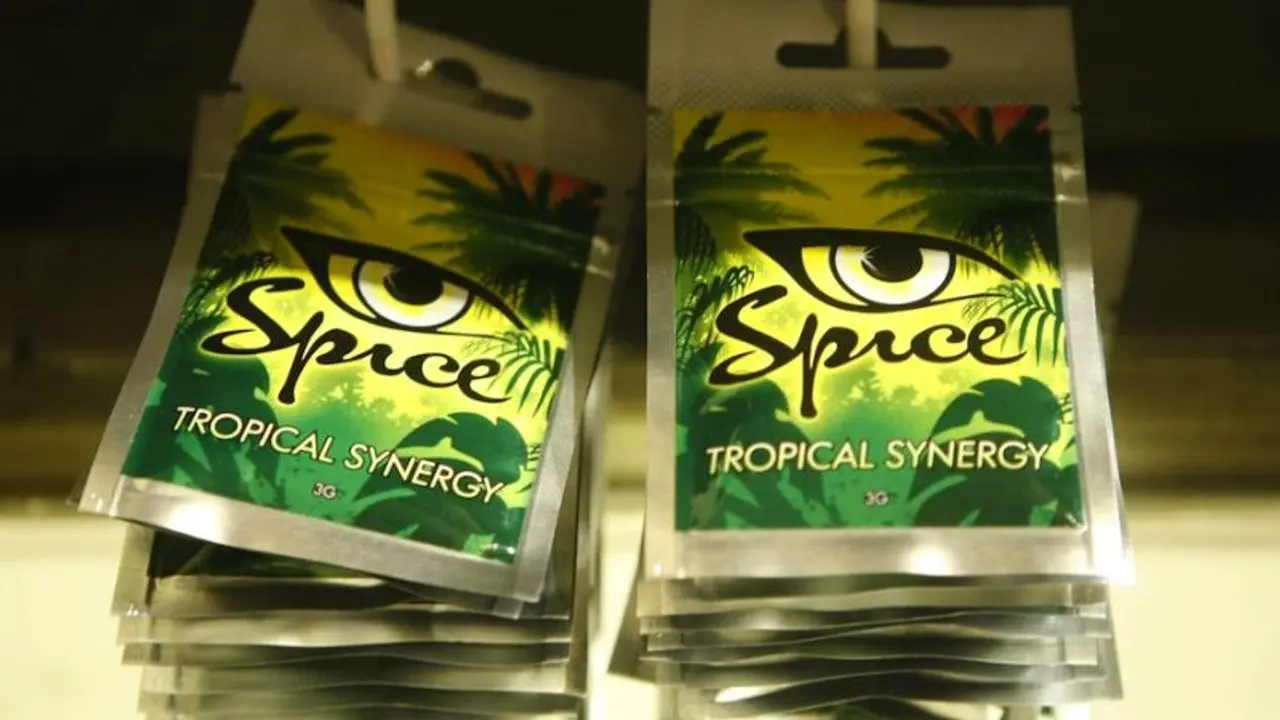
The brand “Spice” debuted around 2004–2005 by Psyche Deli in London, gaining traction by 2006 as a “legal high.” Popularity surged in Europe and the US, marketed online and in head shops. By 2009, the EMCDDA identified them in 21 countries.
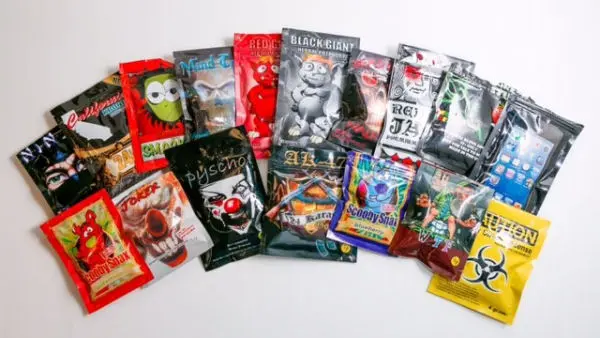
Common street names include K2, Spice, Black Mamba, and Scooby Snax. Products are often labeled “not for human consumption” to dodge regulations, and they can vary wildly in composition—even within the same batch—due to illicit manufacturing.
Forms and Street Names
Synthetic cannabinoids are typically sprayed onto dried plant material (e.g., herbs) for smoking, or sold as liquids for vaping. They may also appear in edibles disguised as snacks or drinks, often with colorful, cartoonish packaging to appeal to youth. Products are marketed as “herbal incense,” “potpourri,” or “not for human consumption” to skirt legal scrutiny.
Common street names include:
- K2 or Spice
- Fake weed
- Moon rocks
- Black Mamba
- Scooby Snax
They’re sold online, in smoke shops, gas stations, or convenience stores, and are cheaper and harder to detect via standard drug tests than natural cannabis.
Common Uses and Methods
SCs are abused for recreational purposes, often by those seeking a cannabis-like high without legal risks. Users may choose them for accessibility (sold online, in head shops, or gas stations) or to pass drug tests. However, they differ starkly from cannabis: effects can feel more like stimulants (e.g., amphetamines) due to higher intensity.
- Methods: Smoked via joints, pipes, or bongs; vaped as e-liquids; rarely ingested.
- Demographics: Popular among young adults, but also seen in vulnerable groups (e.g., those with opioid dependence, as SCs can mimic or enhance heroin effects).
Effects and Risks
Short-term effects depend on dose, setting, and individual factors like mood or tolerance, but they’re far more erratic and dangerous than cannabis.
Short-Term Effects
- Psychoactive: Euphoria, relaxation, altered perception (similar to cannabis at low doses); but often agitation, paranoia, hallucinations, or panic attacks.
- Physical: Rapid heart rate (tachycardia), high blood pressure, nausea, vomiting, tremors, seizures, or numbness.
- Overdose Signs: Chest pain, severe anxiety, unconsciousness—call emergency services immediately.
Long-Term Risks
- Addiction and Withdrawal: Highly addictive; withdrawal mimics opioids (e.g., intense cravings, insomnia, irritability lasting weeks).
- Organ Damage: Neurotoxicity (brain changes), renal failure, cardiovascular issues (e.g., heart remodeling, hypertension), and liver toxicity.
- Mental Health: Exacerbates anxiety, psychosis, or depression; linked to suicidal ideation.
- Other: Contamination risks (e.g., with synthetic cathinones) amplify dangers like bleeding disorders or multi-organ failure.
Legal Status
Most synthetic cannabinoids are illegal in the US and many countries, classified as Schedule I substances by the DEA since 2011, with ongoing additions to banned lists. Penalties for possession or sale vary by jurisdiction; in the EU, they’re monitored as new psychoactive substances. Always check local laws, as formulations change rapidly.